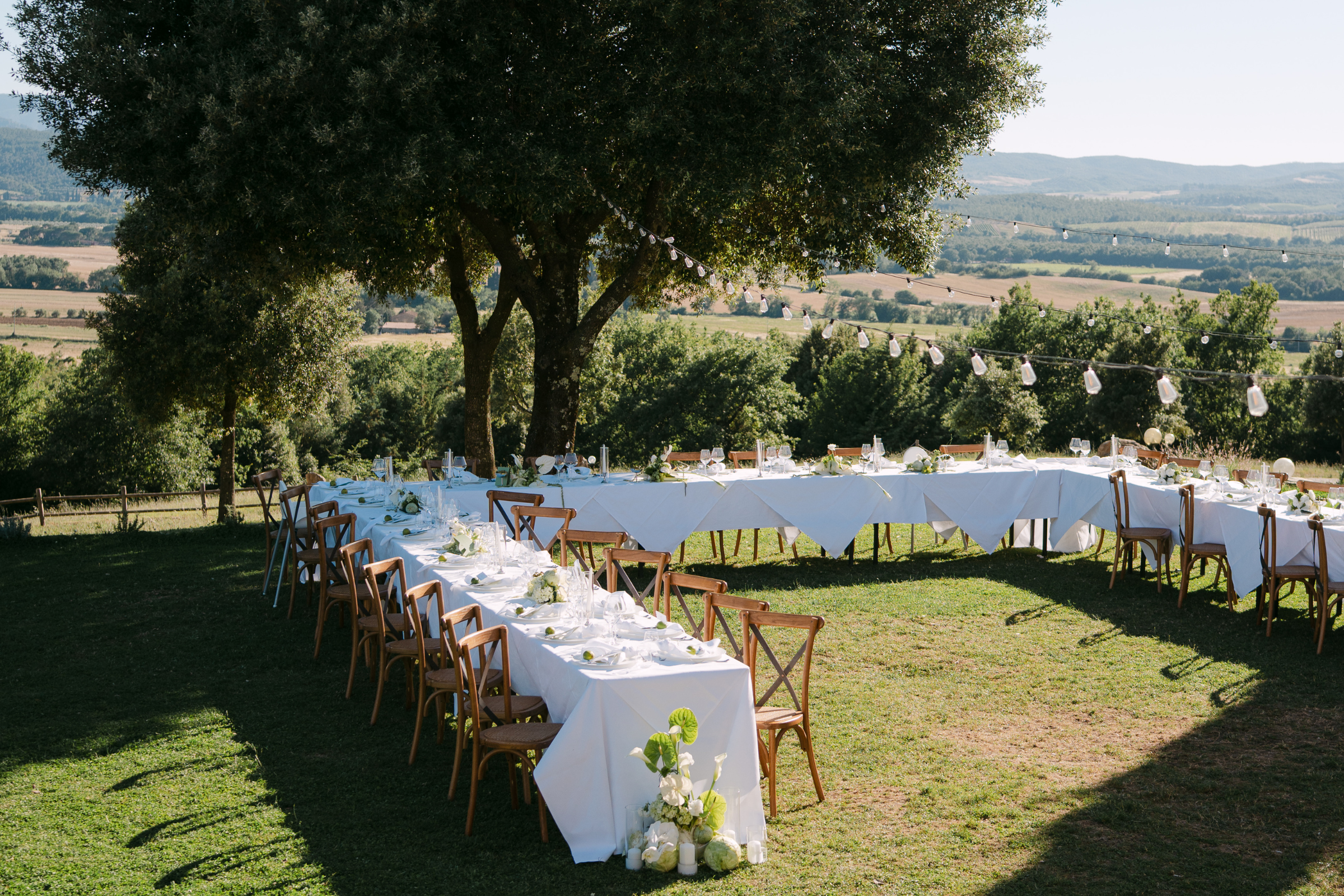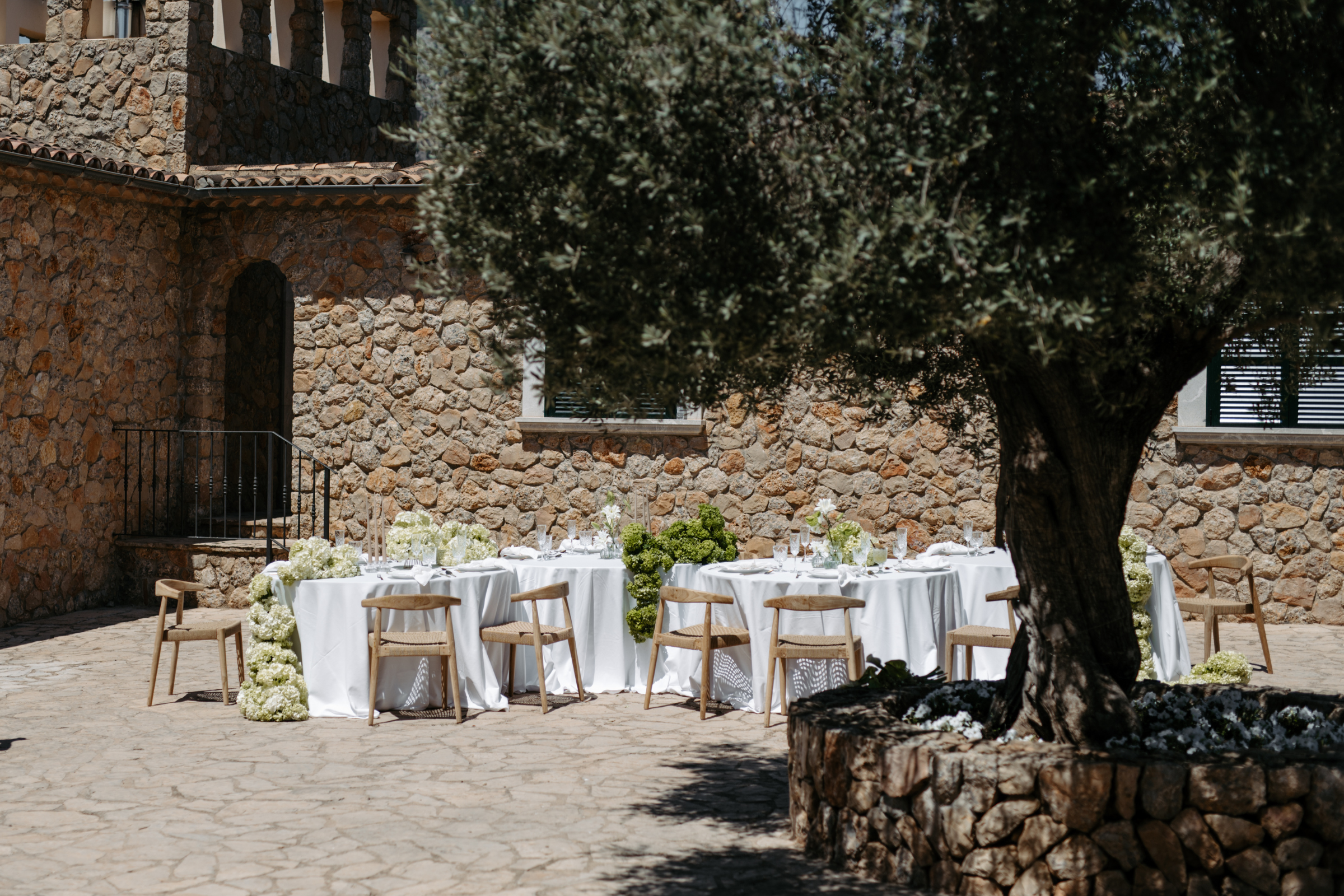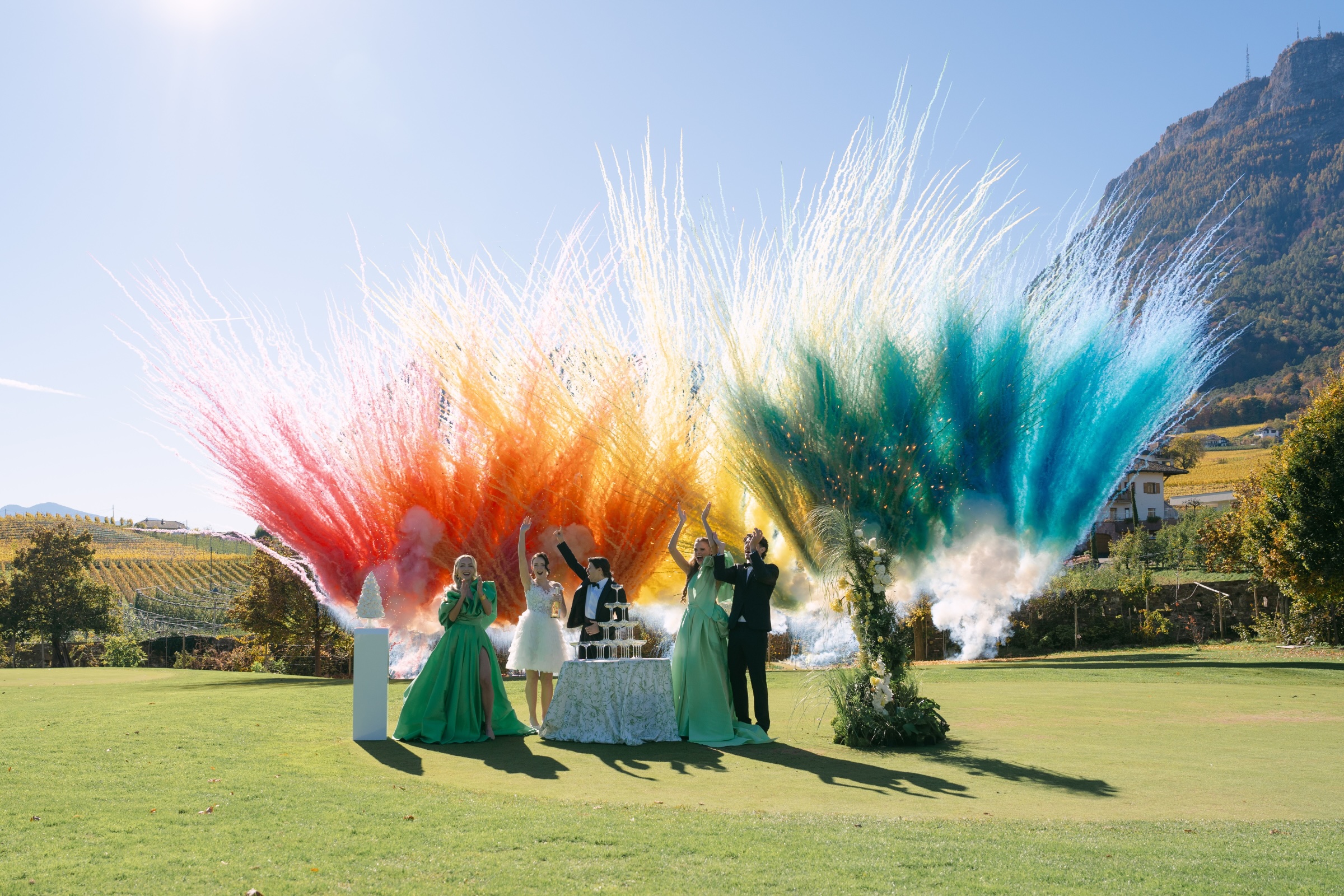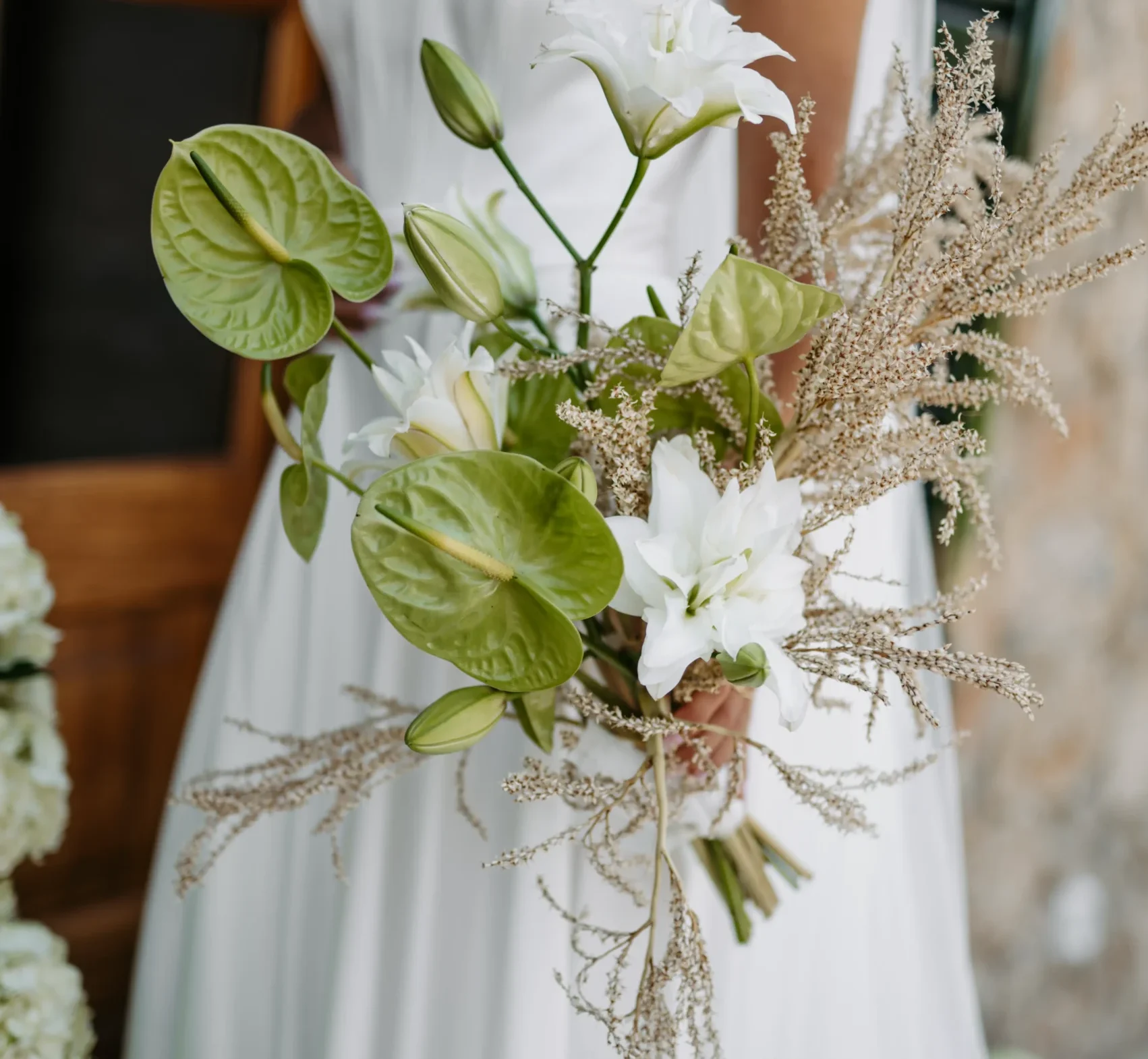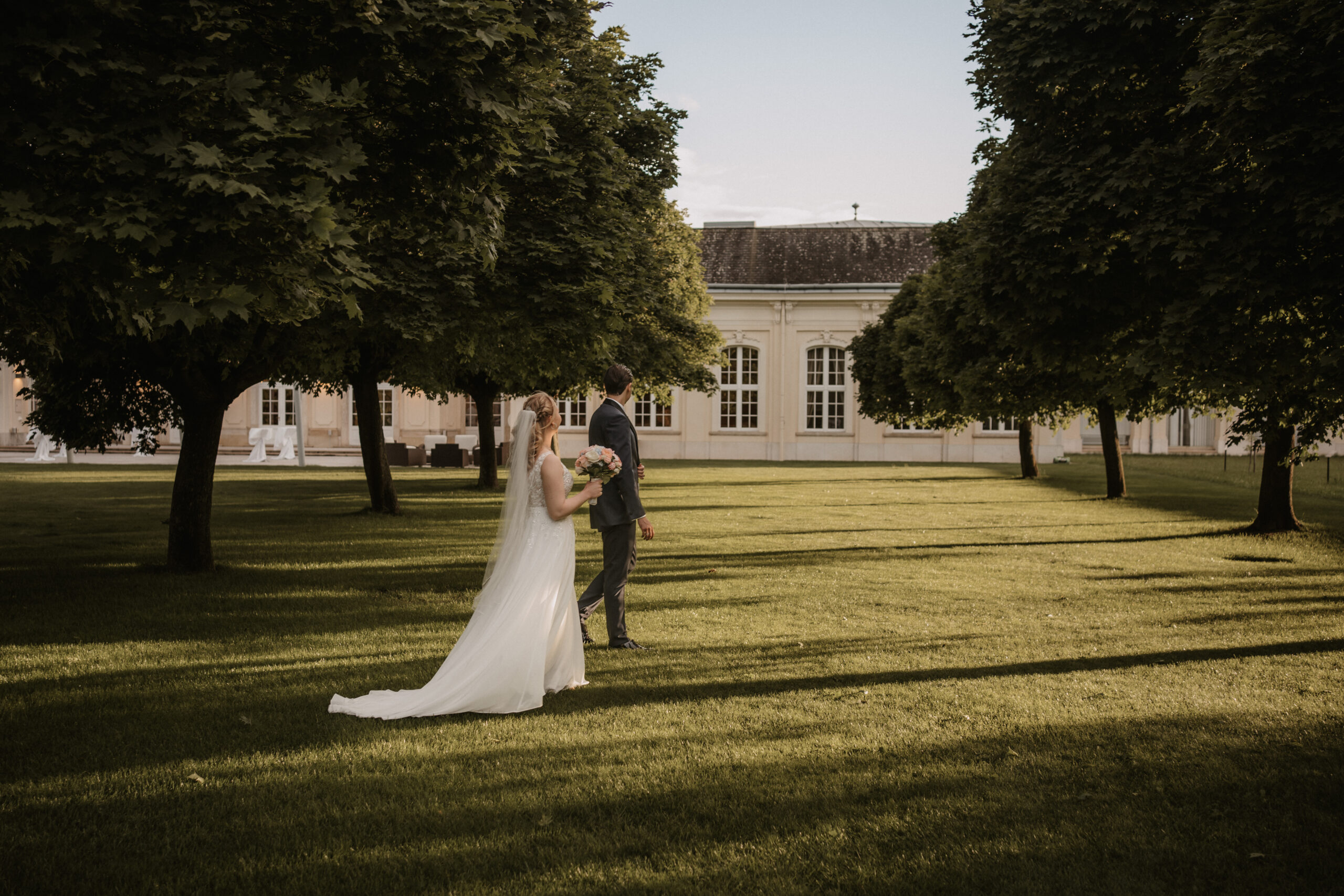
Spain is a dream destination for couples who love the sun, mediterranean charm, and breathtaking scenery. Whether on the Costa Brava, in Mallorca, in Andalusia, or in the Rioja region—Spain offers a wide variety of exclusive venues for Destination Weddings.
To ensure that your wedding in Spain is not only beautiful but also stress-free, good planning, local expertise, and clear decisions are essential.
As a wedding planner, I regularly help couples organize weddings in Spain. In this post, I’ll share the most important tips and tricks for avoiding common pitfalls and planning a stylish wedding.
1) Choose the right region
Spain is incredibly diverse. Each region has its own atmosphere and style.
Popular Regions & their Styles:
- Mallorca & the Balearic Islands: luxurious fincas, Mediterranean charm, close to the beach
- Andalusia (Seville, Marbella): historic, elegant, sun-drenched
- Costa Brava & Catalonia: Spectacular Coasts, Modern Villas
- Rioja & Castile: Wineries, rustic yet elegant, authentic
Tip: Think about the atmosphere you want for your wedding—the region should complement it.

2) Legal Matters - Civil or symbolic wedding ceremony
The legal requirements for getting married in Spain are complex. As a result, many international couples choose to:
- Symbolic Wedding Ceremonies in Spain: Flexible, emotional, and uncomplicated
- Civil weddings: Possible, but bureaucratic (documents, apostille, translations)
- Legal wedding ceremony in your home country + symbolic wedding ceremony in Spain: A very popular option
Tip: For couples from Germany or Austria, a non-religious wedding ceremony in Spain is often the least stressful option.

3) Plan early - especially for top locations
Exclusive venues in Spain are often booked up 12–18 months in advance, especially during the high season (May–September).
Planning horizon:
- Location: 12–18 months in advance
- Primary service provider: 9–12 months in advance
- Guest Information / Save-the-Date: 8–10 months in advance
Tip: Being flexible with your dates increases your chances of securing your preferred venue.
4) Finding a realistic budget
Spain often offers excellent value for money, but couples should still calculate the total cost realistically.
Important cost factors:
- Venue rental & Minimum sales
- Catering & Drinks
- Flowers & Decoration
- Music & Technical stuff
- Transfers & Guest Accomodations
Tip: Always build in a budget buffer—especially for destination weddings.

5) Use experienced/local vendors and networks
Advantage:
- Knowledge of the Venues & Procedures
- Language Proficiency & Communication
- Assistance with Permits and Legal Matters
- Quick Response to Changes
Tip: An experienced network saves you time, money, and stress.
6) Take weather and the season into account
Spain has a wonderful climate, but temperatures vary greatly from region to region.
Recommended months for weddings:
- May & June: Pleasant temperatures, green landscapes
- September & October: warm, golden light, fewer tourists
- July & August: Hot, especially in Andalusia; plan for shade and air conditioning
Tip: Always check your backup plans in case of bad weather—even when the weather is Mediterranean.
7) Involve & inform guests
Destination weddings in Spain are a special experience for guests—thorough preparation is key.
Important things:
- Send out save-the-date invitations early
- Provide recommendations for accommodations
- Organize transfers & shuttles
- Optional: Wedding Website with all information
Tip: Well-informed guests go a long way toward making for a relaxed wedding.
8) Fewer activities, more experiences
Spanish weddings thrive on atmosphere, cuisine, and indulgence.
instead of strict time schedules:
- Long, mediterranean dinners
- Focus on music & dancing
- Enjoyable moments instead of a constant schedule of activities
Tip: Set aside some time—the Mediterranean way of life is all about relaxation.
9) Professional support is worth it
Planning a wedding in Spain requires experience, language skills, and a strong network.
A wedding planner can:
- Researching locations & reviewing contracts
- Monitor the budget
- coordinate service providers
- Organize the schedule and On-Site logistics
- Guarantee a stress-free implementation
Tip: Set aside some time—the Mediterranean way of life is all about relaxation.
Conclusion: Plan your dream wedding in Spain
Spain is an ideal destination for destination weddings—authentic, stylish, and unforgettable. With careful planning, realistic expectations, and professional support, your wedding will be a truly unique experience.
I’d be happy to help you plan your wedding in Spain—from finding a venue to handling all the details.